The manipulative library
Tools for
thinking.
A small piece can open up a big idea. Find the right material, understand what it teaches, and start exploring.
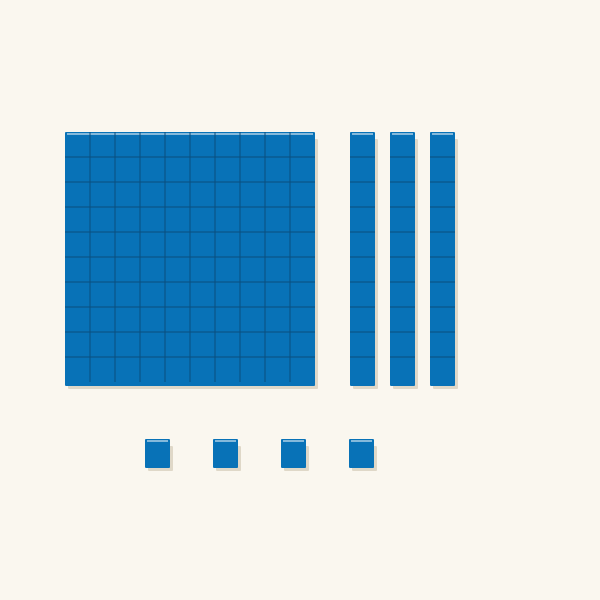
Base-Ten Blocks
Units, rods, flats, and larger blocks that represent the grouping structure of base-ten numbers.
 Explore
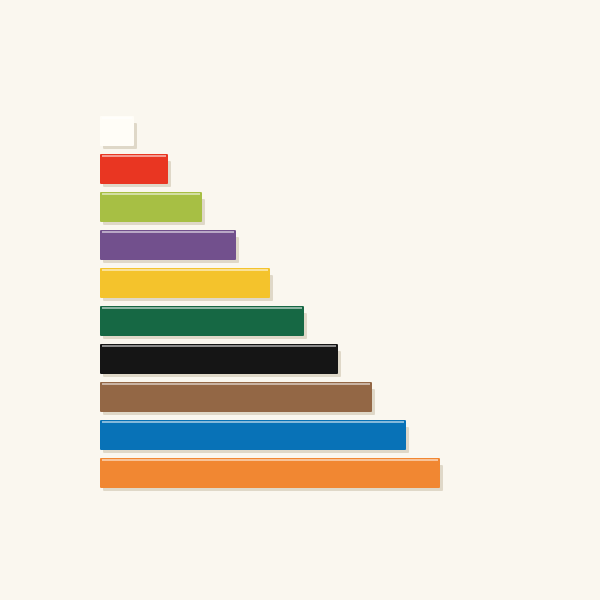
Cuisenaire Rods
Colored rods with lengths in a one-to-ten relationship for comparing numbers, operations, and fractions.
 Explore
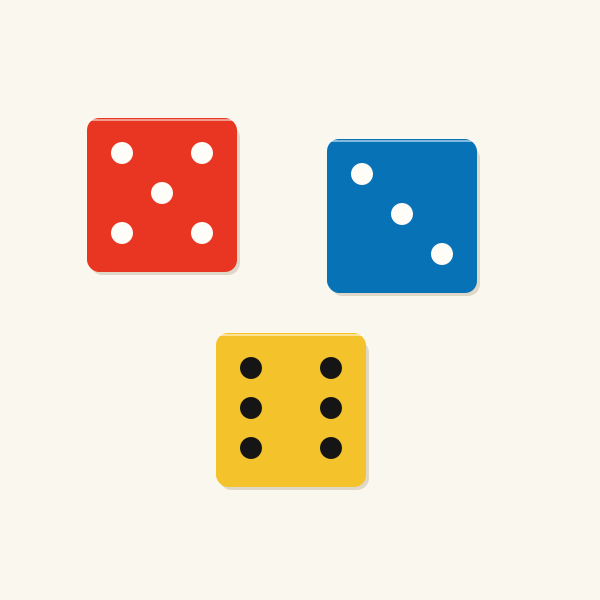
Dice
Objects with numbered or dotted faces for generating values, playing number games, and collecting chance data.
 Explore
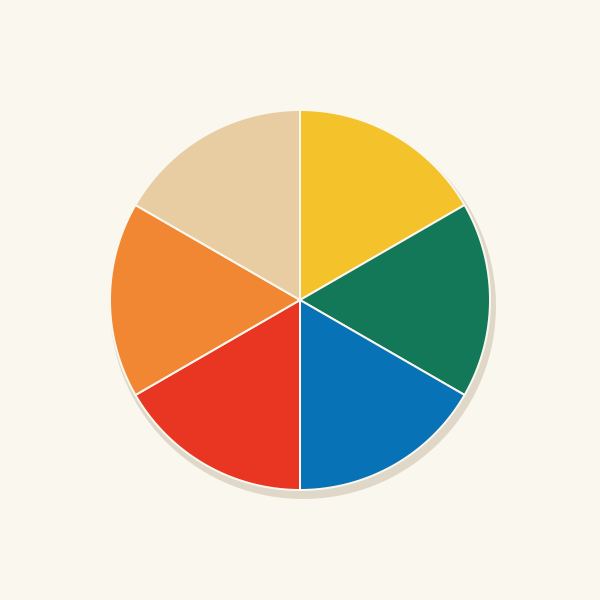
Fraction Circles
Equal-sized circles divided into equal parts for comparing fractions of the same whole.
 Explore
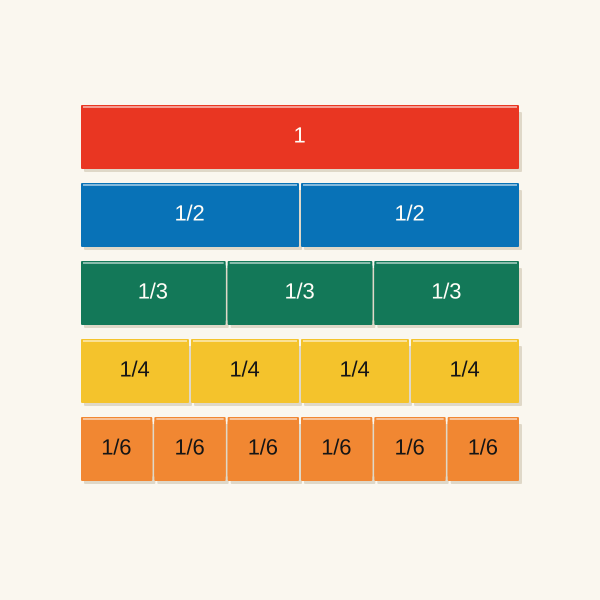
Fraction Tiles
Equal-length wholes partitioned into fraction strips for comparing, composing, and ordering fractions.
 Explore
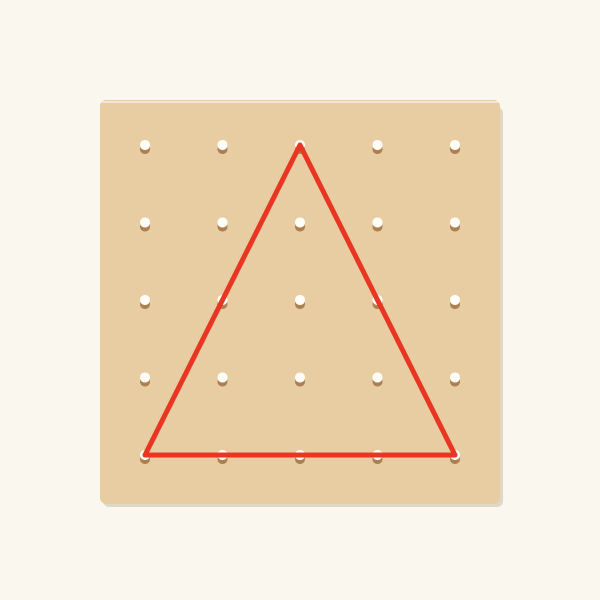
Geoboards
Peg boards and bands for making polygons and exploring their sides, area, and perimeter.
 Explore
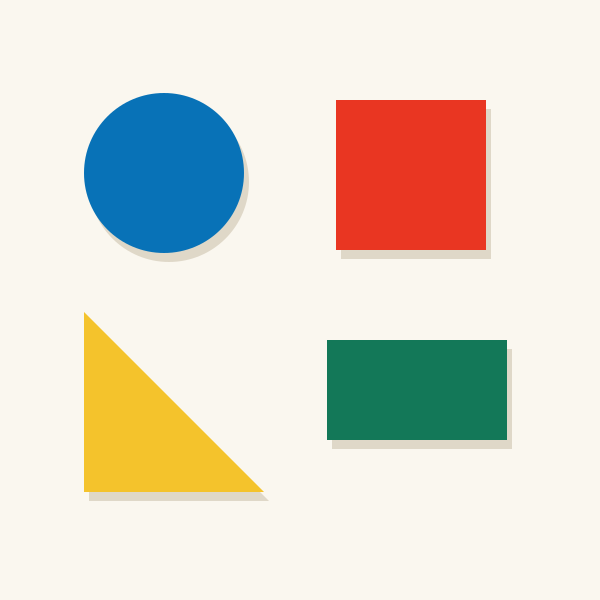
Geometric Shapes
Movable flat shapes for sorting attributes, composing pictures, and explaining how parts fit together.
 Explore
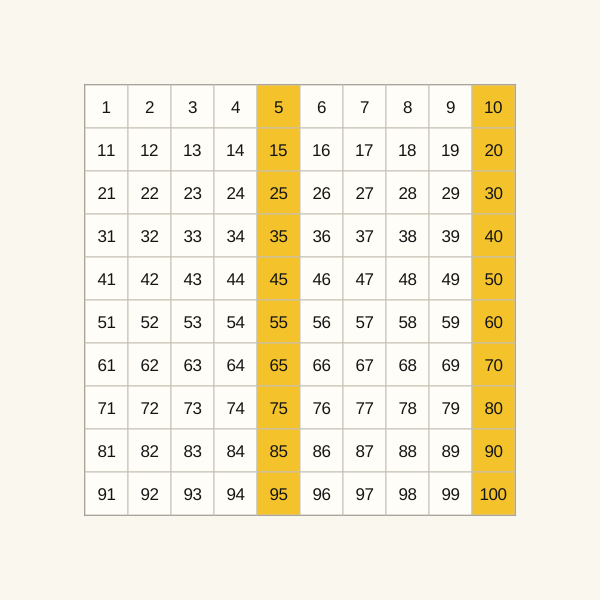
Hundred Charts
Ten-column number grids for exploring counting sequences and relationships between rows and columns.
 Explore
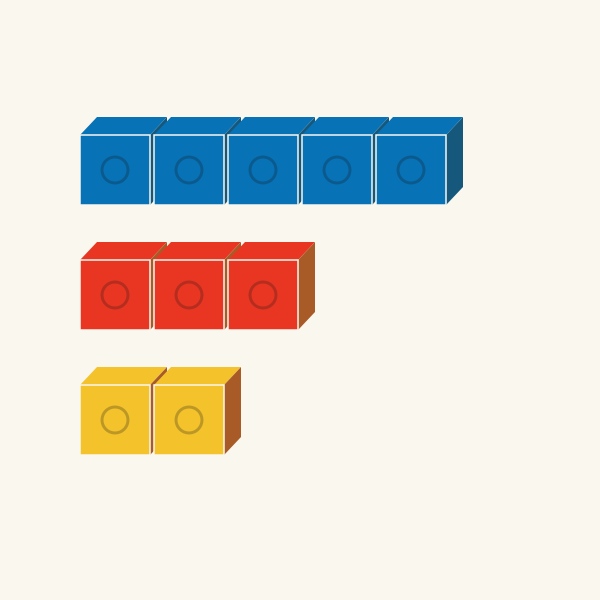
Linking Cubes
Equal-sized cubes that connect into trains, groups, arrays, and three-dimensional builds.
 Explore
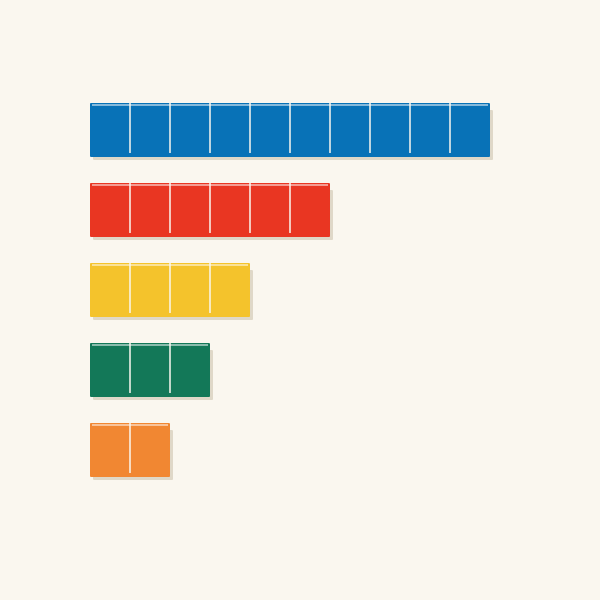
Math Bars
Length-based bars for showing quantities, comparing parts, and drawing attention to numerical relationships.
 Explore
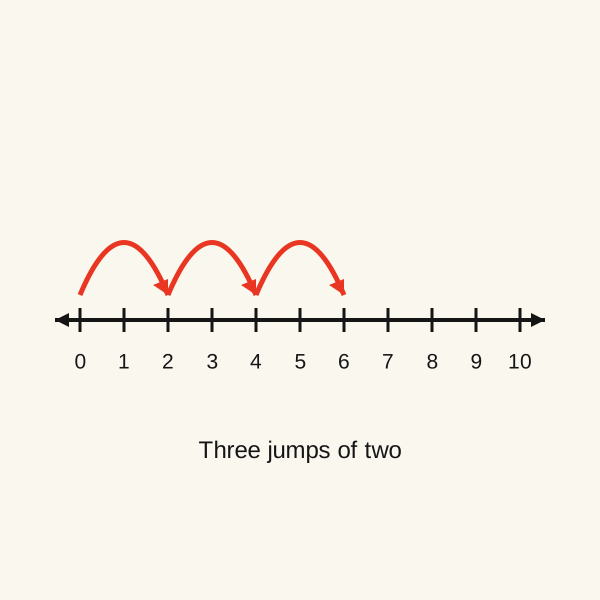
Number Lines
Lines with equal unit spacing for locating numbers, comparing distance, and representing operations.
 Explore
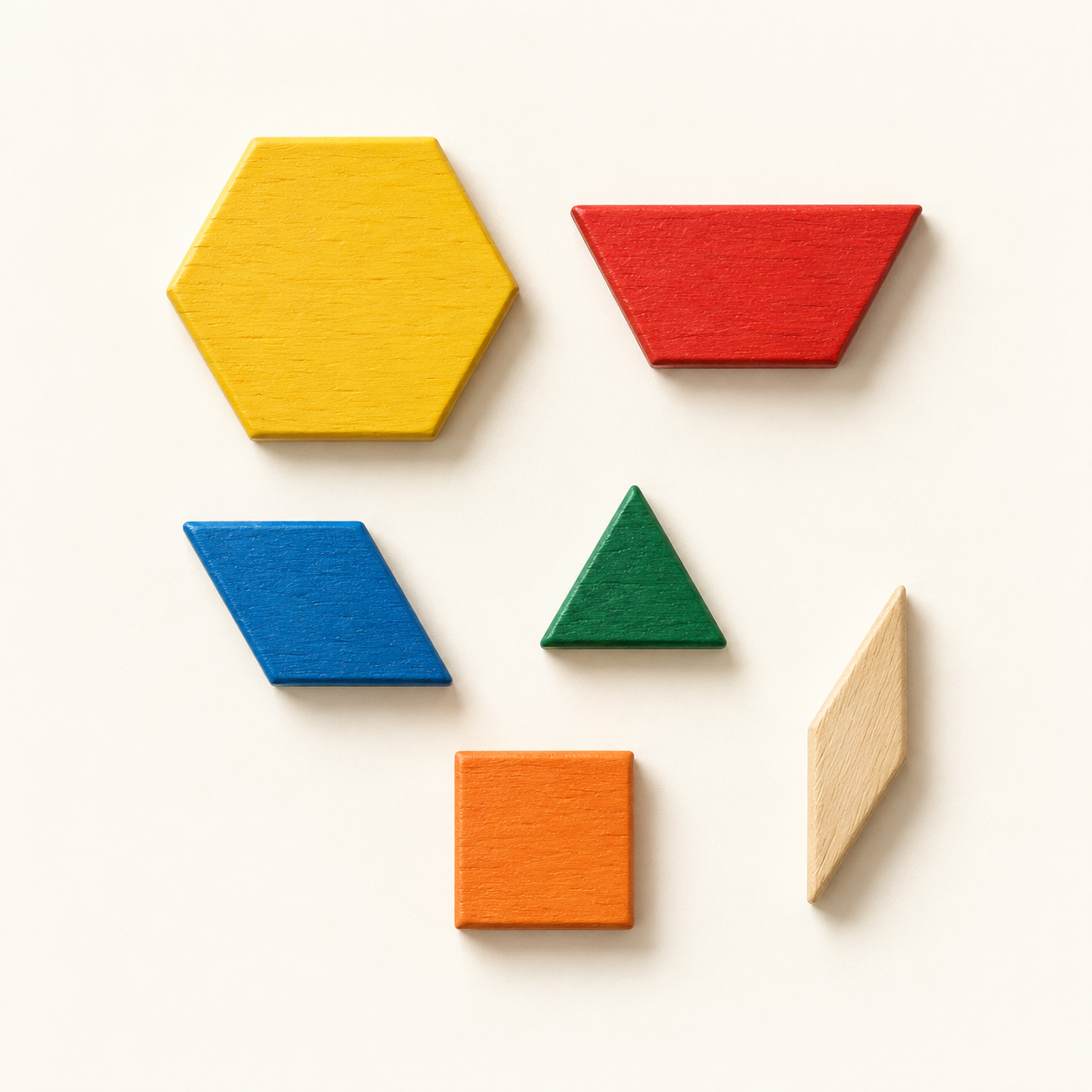
Pattern Blocks
Geometric pieces for building shapes, exploring symmetry, and comparing parts of a whole.
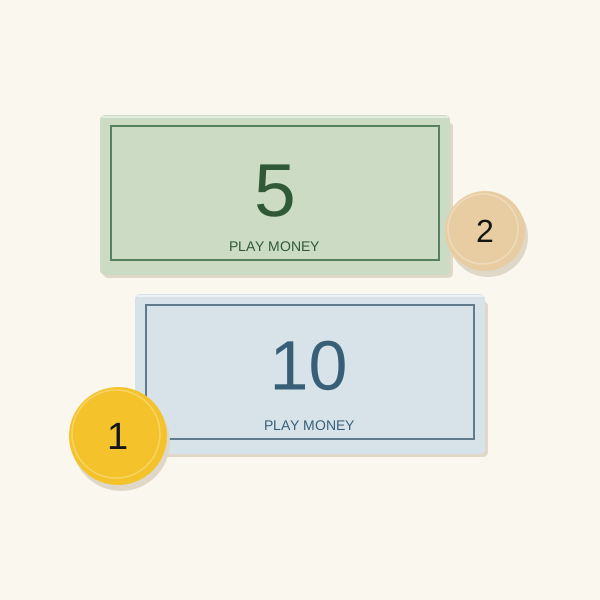
Play Money
Replica coins and notes for comparing values, making totals, and finding equivalent combinations.
 Explore
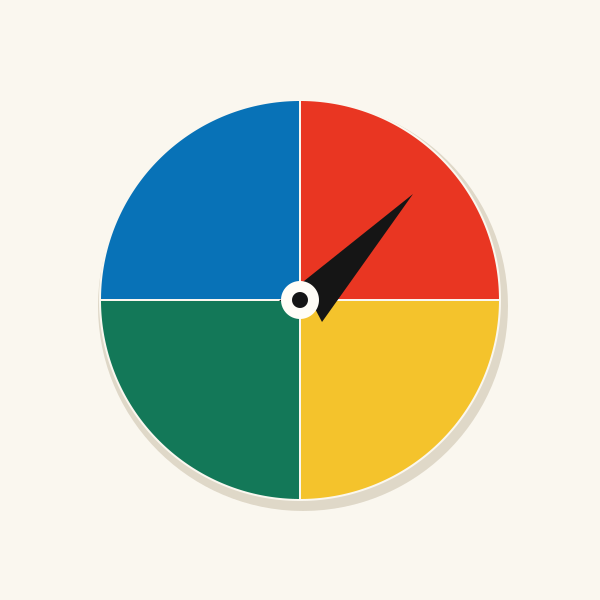
Probability Spinners
Rotating pointers and marked sectors for exploring possible outcomes and recording chance experiments.
 Explore
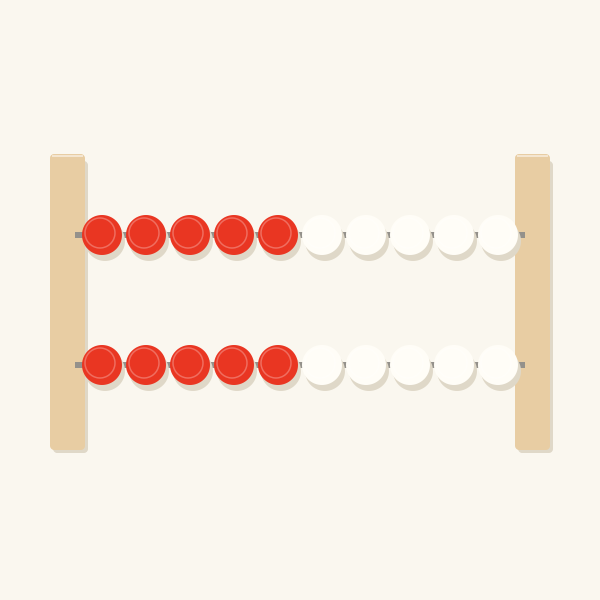
Rekenreks
Bead racks arranged in groups of five and ten for showing numbers and comparing addition strategies.
 Explore
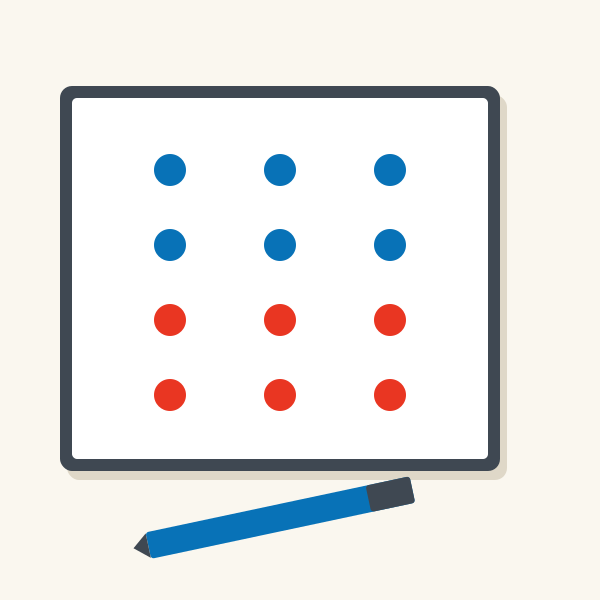
Sketch Pad
An open drawing space for turning a math idea into a picture, revising it, and explaining your thinking.
 Explore
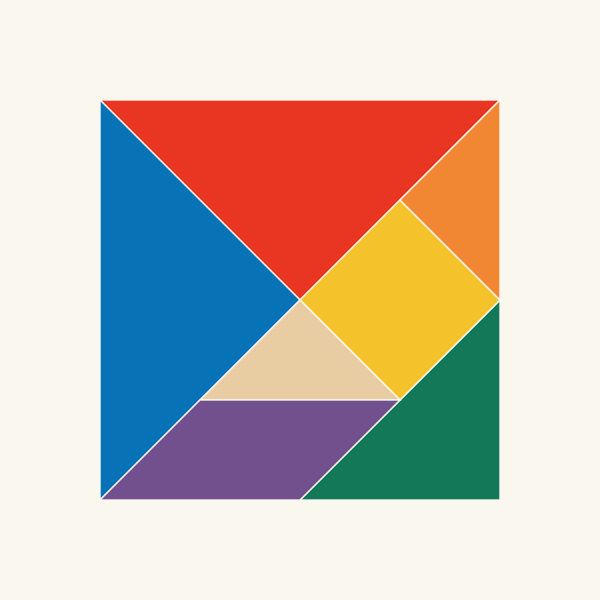
Tangrams
A seven-piece dissection puzzle for composing shapes, comparing area, and reasoning about position.
 Explore
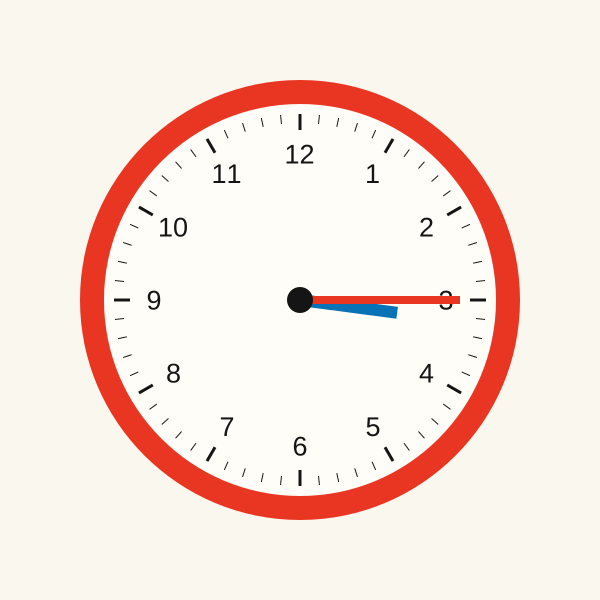
Teaching Clocks
Moveable clock faces for connecting hand positions, elapsed time, and everyday schedules.
 Explore
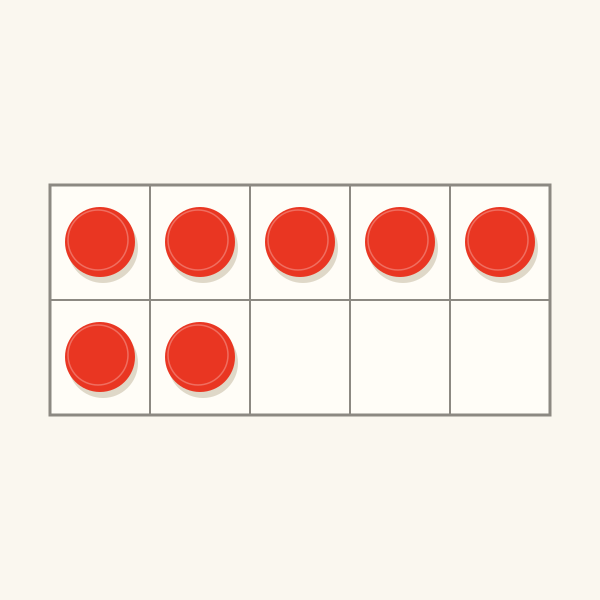
Ten Frames
Two rows of five spaces that organize counters around the benchmarks five and ten.
 Explore
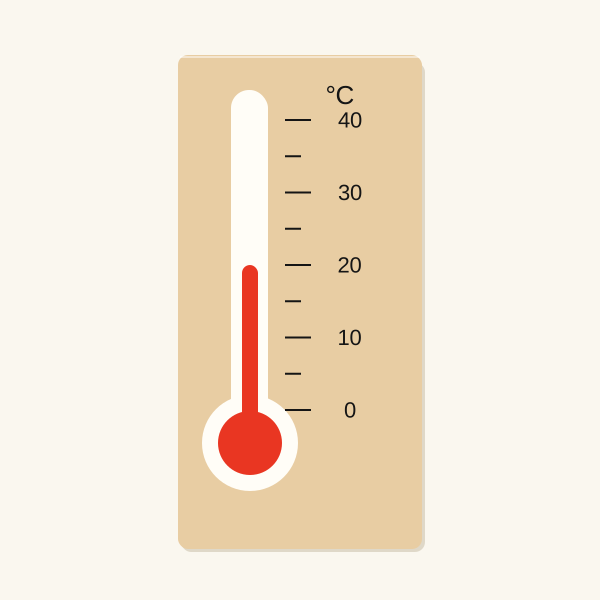
Thermometers
Temperature scales, including classroom models, for reading intervals and comparing changes.
 Explore
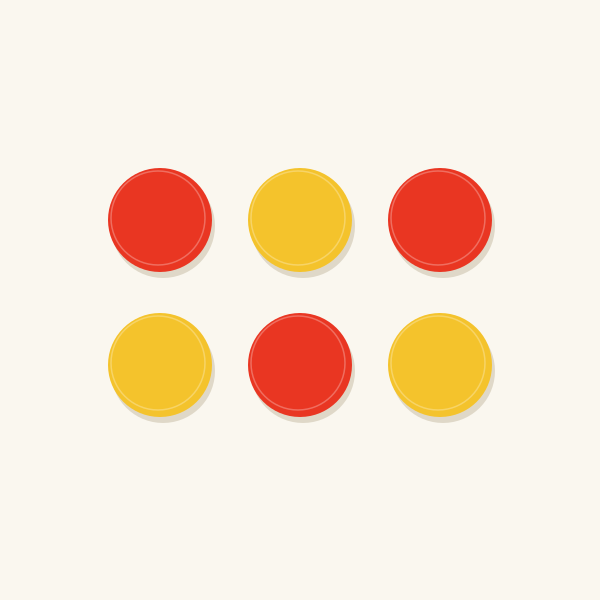
Two-Color Counters
Small disks with contrasting sides for sorting, counting, and representing two parts of a quantity.
 Explore