Think
with your
hands.
Explore math manipulatives, discover what each tool teaches, and find practical ideas for classroom or home.
Browse all manipulatives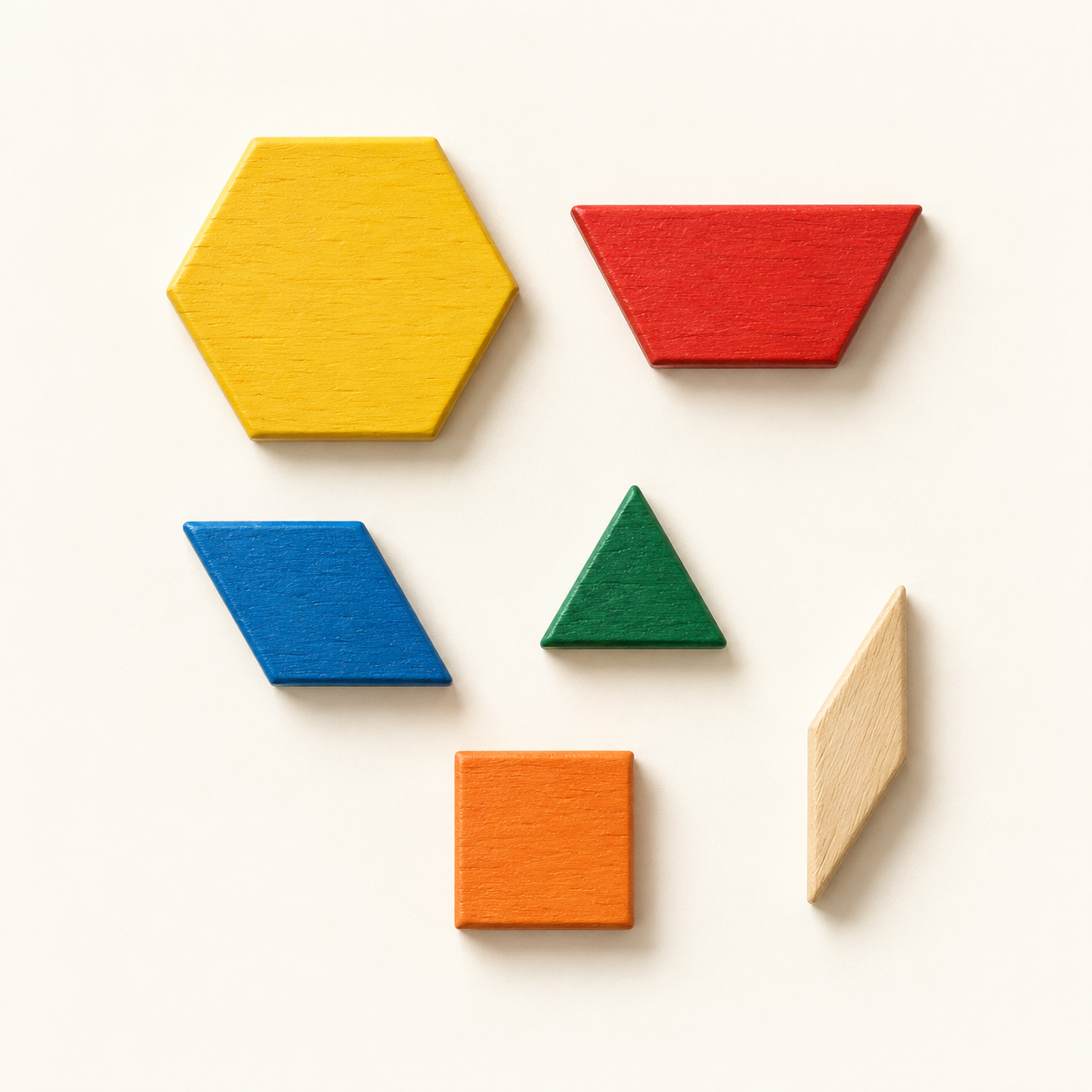
One concept.Many ways
to see it.
Different tools. Deeper understanding.
The same big ideas, from new perspectives.
Fractions
Parts. Wholes. Equivalence.
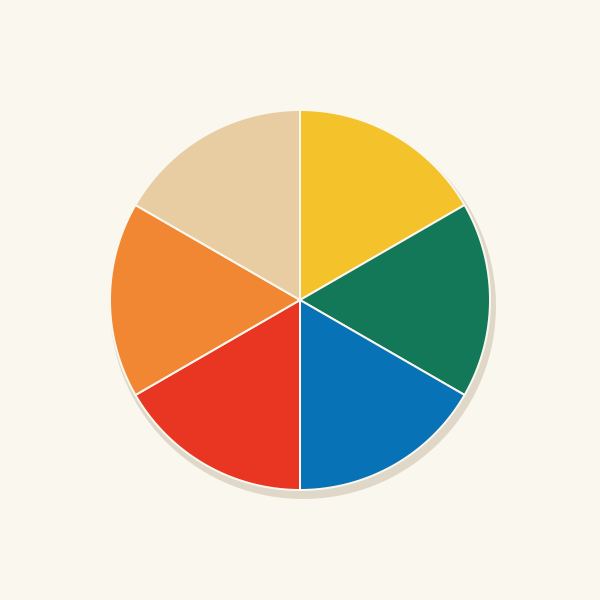 Explore fraction circles
Area and multiplication
Arrays. Structure. Scale.
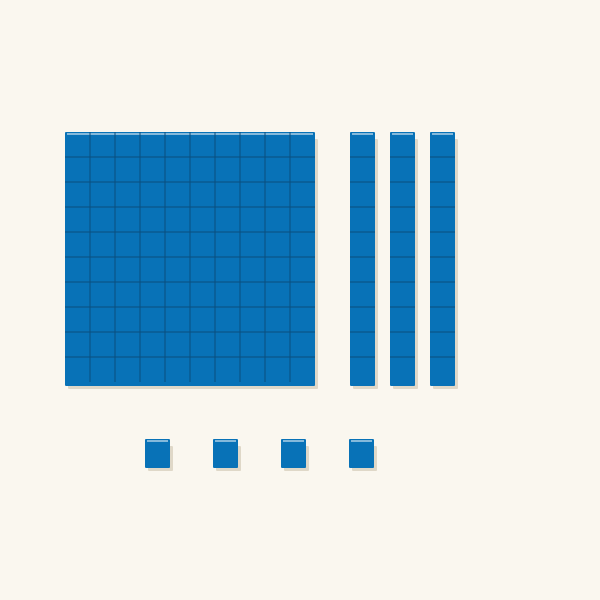 Explore base-ten blocks
Geometry
Shapes. Composition. Reasoning.
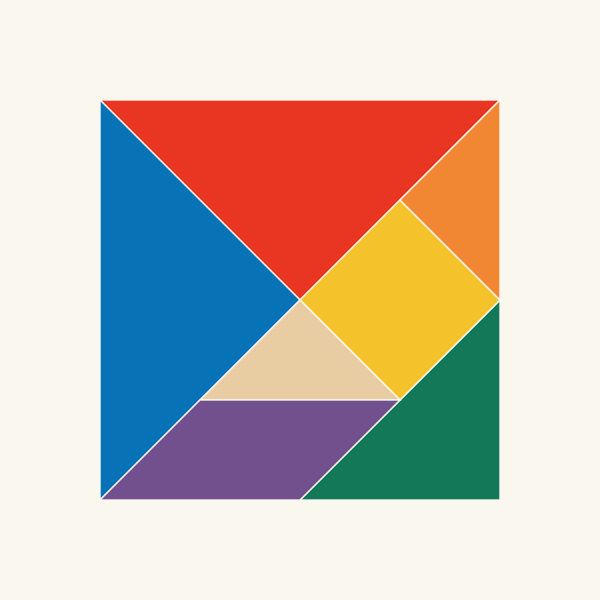 Explore tangrams
Explore the toolkit.
Physical and digital manipulatives for every learner.
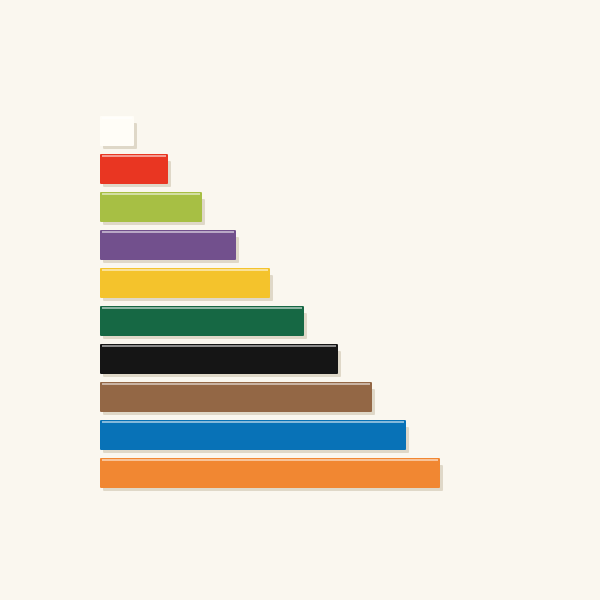
Cuisenaire Rods
Colored rods with lengths in a one-to-ten relationship for comparing numbers, operations, and fractions.
 Explore
Pattern Blocks
Geometric pieces for building shapes, exploring symmetry, and comparing parts of a whole.
Base-Ten Blocks
Units, rods, flats, and larger blocks that represent the grouping structure of base-ten numbers.
Explore Fraction Circles
Equal-sized circles divided into equal parts for comparing fractions of the same whole.
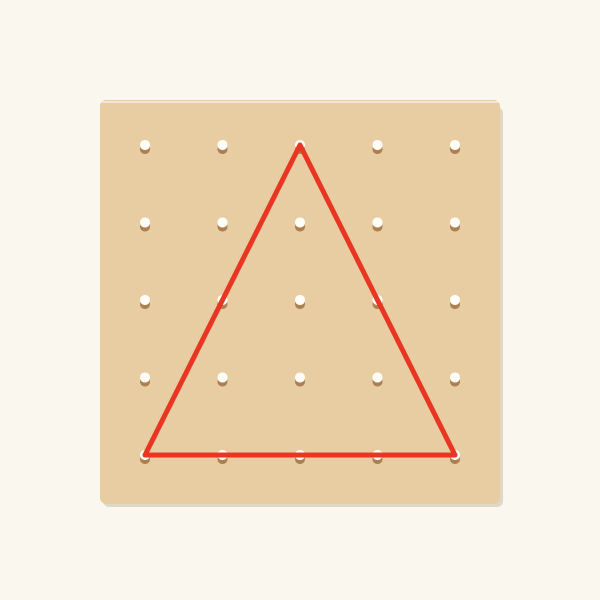
Explore Geoboards
Peg boards and bands for making polygons and exploring their sides, area, and perimeter.
 Explore
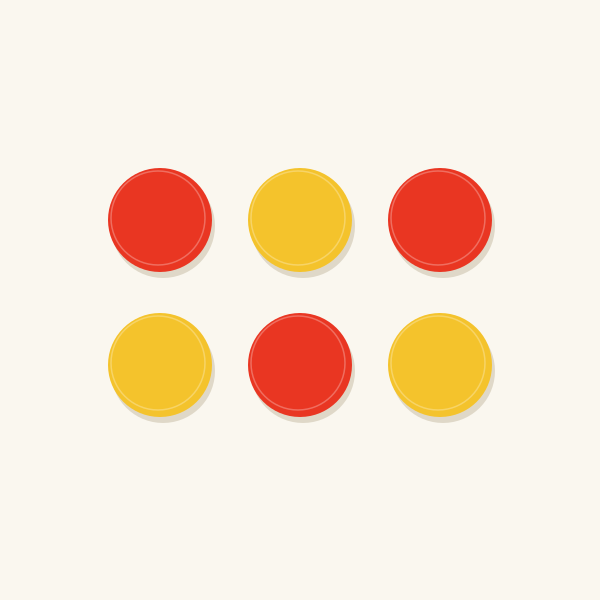
Two-Color Counters
Small disks with contrasting sides for sorting, counting, and representing two parts of a quantity.
 Explore
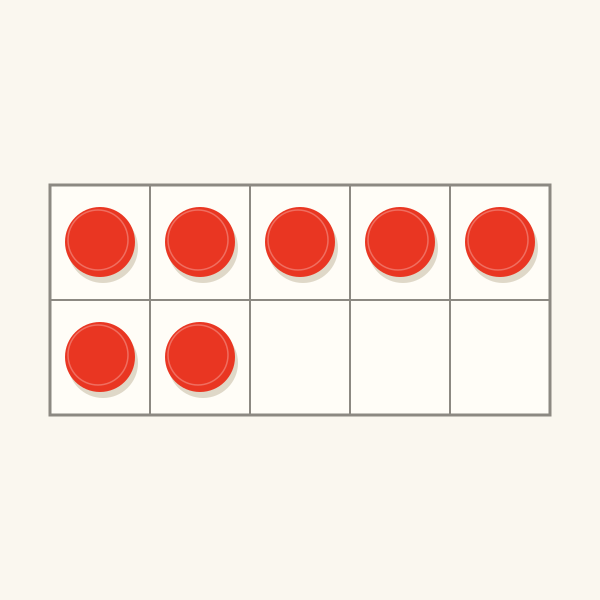
Ten Frames
Two rows of five spaces that organize counters around the benchmarks five and ten.
 Explore
From the blog
Small ideas. Big discoveries.
guide
A small space for a good math conversation
Turn one mathematical question and a few everyday objects into a useful conversation at home.
guide
Choosing your first manipulatives
Build a small, versatile collection around the ideas you want learners to explore.
activity
A whole new way to see fractions
Use familiar shapes to explore parts, wholes, and equivalent fractions. Start by choosing the whole.