Pattern
Blocks
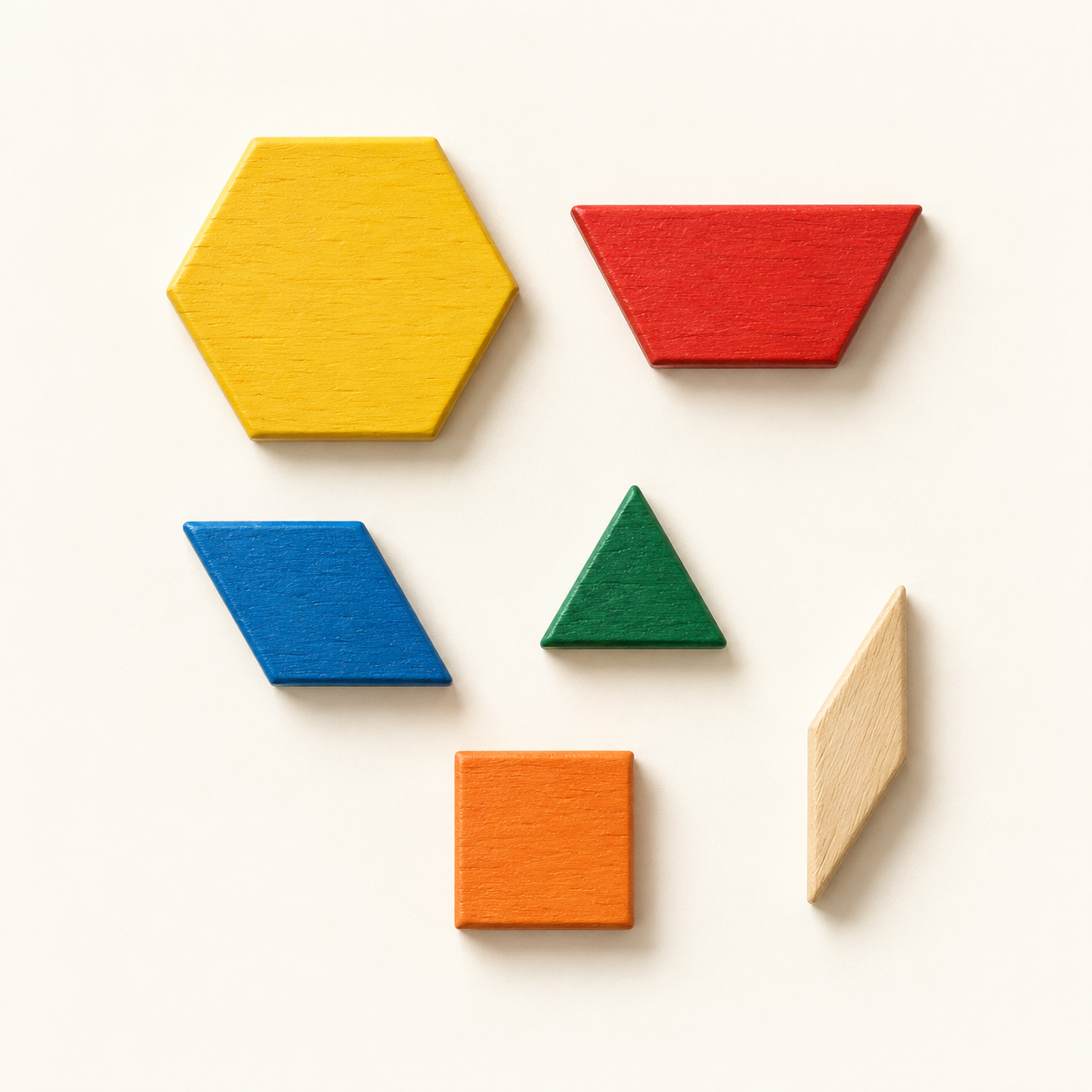
Geometric pieces for building shapes, exploring symmetry, and comparing parts of a whole.
What
they teach.
Simple materials.
Powerful mathematical ideas.
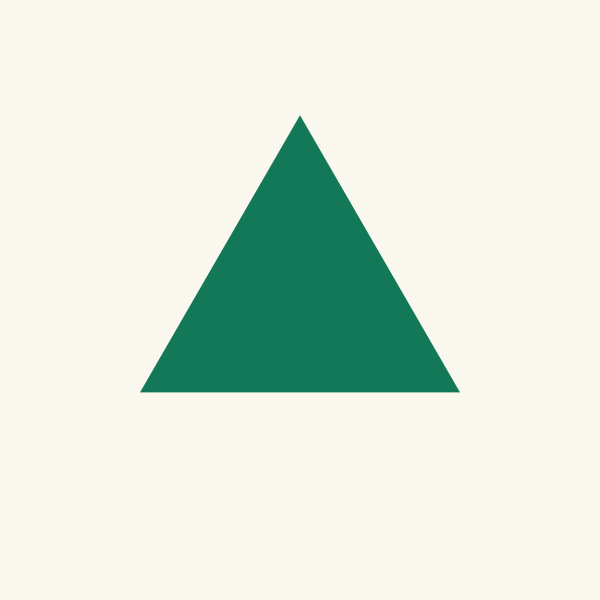
Shape composition
Combine smaller pieces to make larger shapes, then find another way to cover the same outline.
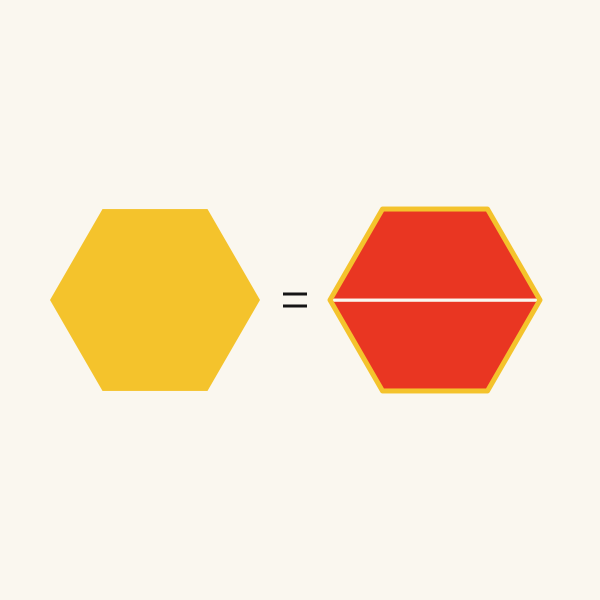
Parts of a whole
Choose a whole and compare the areas covered by triangles, rhombuses, and trapezoids.
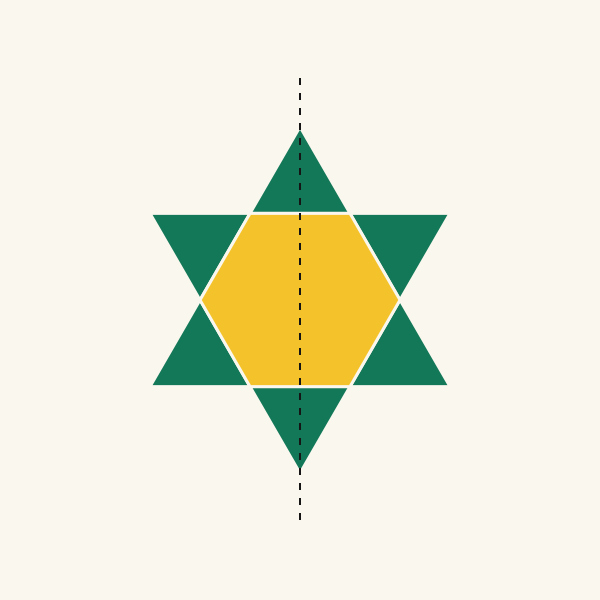
Patterns and symmetry
Repeat, rotate, and reflect pieces to create and describe designs.
How to use them.
Start with curiosity. Make room for discovery.
Explore the shapes
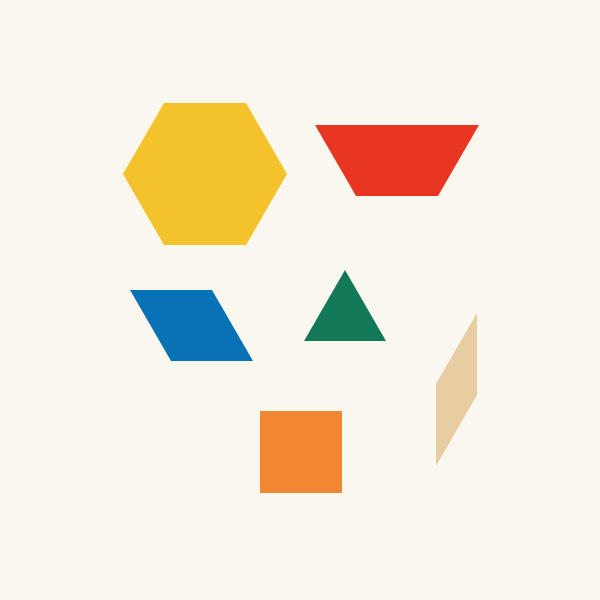
Sort a handful of blocks. Compare sides and corners, turning pieces to check your ideas.
Build and compare
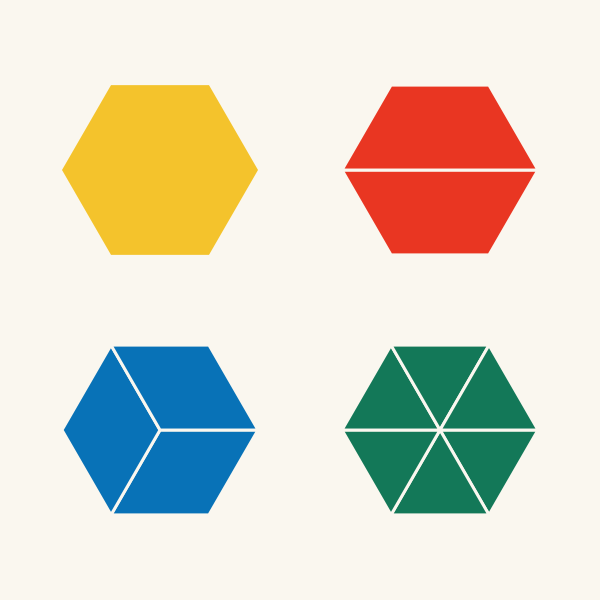
Cover a hexagon with other pieces without gaps or overlaps. Find at least two solutions.
Explain the relationships
Describe how the pieces fit. Name the whole before writing any fraction labels.
Try an activity
Make a mirror design
Place a strip of paper as a mirror line. Build a design on one side, then reflect every piece across the line. Check distances and orientations, not just matching colors.
The whole matters
With a standard yellow hexagon as one whole, the green triangle is one sixth, the blue rhombus is one third, and the red trapezoid is one half. Place pieces over the hexagon to check each relationship. These are area comparisons: the pieces must cover the same region without gaps or overlaps. The Math Learning Center illustrates these standard relationships.
The orange square and narrow tan rhombus do not fit this same simple family of hexagon fractions. Keep them available for shape work, but choose pieces deliberately for a first fractions task.
A design can also be a conversation starter. Ask which pieces could be exchanged while leaving its outline unchanged. The answer gives a learner something concrete to point to as they explain equivalence.
Choose your toolkit.
Find a format that fits your setting.
Look for standard, compatible shape proportions and enough repeated triangles, rhombuses, and trapezoids for comparison. Large sets suit shared designs; a smaller set can serve one learner.
Physical options link to Amazon. Illustrations show the material, not the exact product.
Physical option · plastic
Learning Resources Plastic Pattern Blocks
A 250-piece set of thin plastic pieces for flat designs, symmetry, and fraction comparisons.
View on AmazonPhysical option · wood
Melissa & Doug Pattern Blocks and Boards (120 tiles)
Explore shape composition and pattern puzzles with 120 colored wooden tiles, five double-sided puzzle boards, and a storage box.
View on Amazon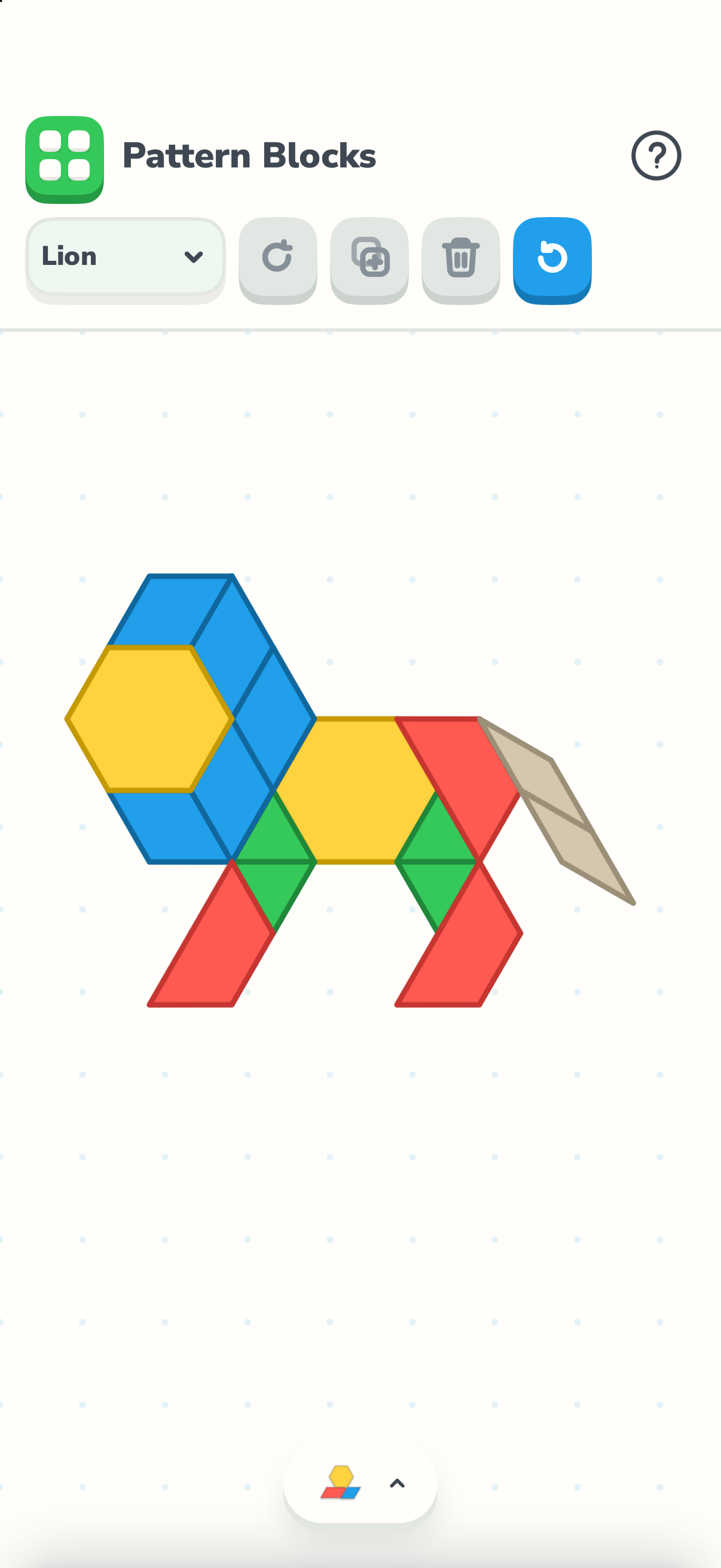
Digital alternative
Manipulatives app
The preview shows pattern blocks arranged into a design. Compare edges, look for symmetry, or discuss how smaller pieces make a larger shape.
Explore the appSee our editorial and buying policy. Reviewed .
Sources and further reading
- Pattern Block Lessons, Grades 3–5 — Standard pattern-block area relationships when the hexagon is one whole.
Related tools.
Explore the library →Tangrams
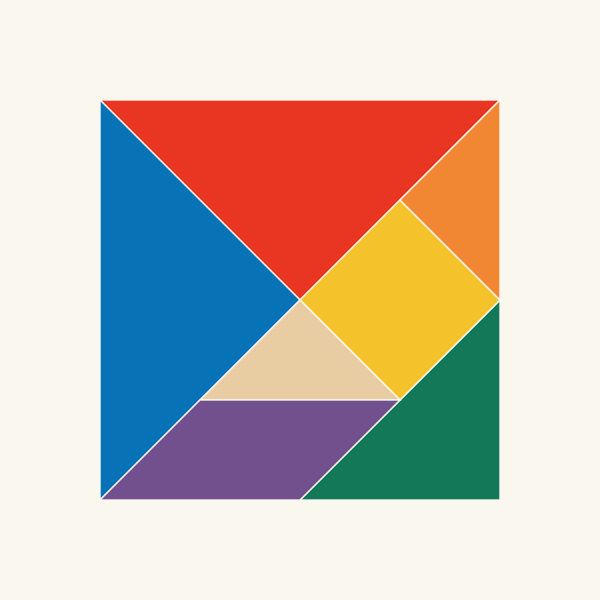
A seven-piece dissection puzzle for composing shapes, comparing area, and reasoning about position.
 Explore
Geoboards
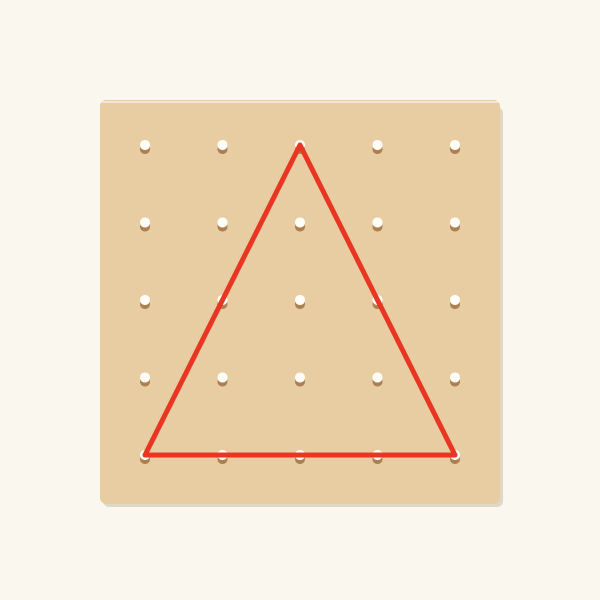
Peg boards and bands for making polygons and exploring their sides, area, and perimeter.
 Explore
Fraction Tiles
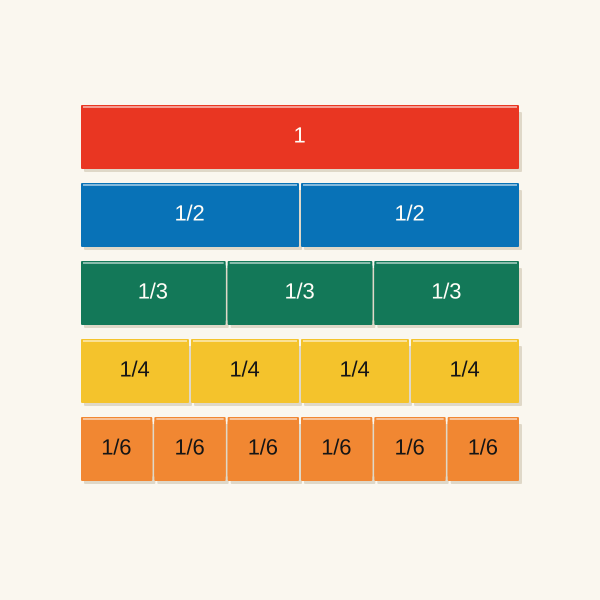
Equal-length wholes partitioned into fraction strips for comparing, composing, and ordering fractions.
 Explore