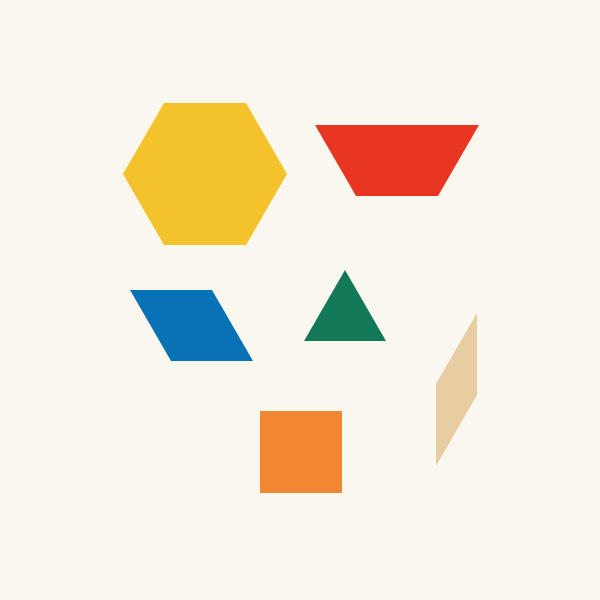
Fractions.
Choose a whole, make equal parts, and compare their sizes and relationships.
A fraction needs a reference whole. One half of a small strip and one half of a much larger strip have the same fraction name but different physical lengths. Establish the whole before naming its parts.
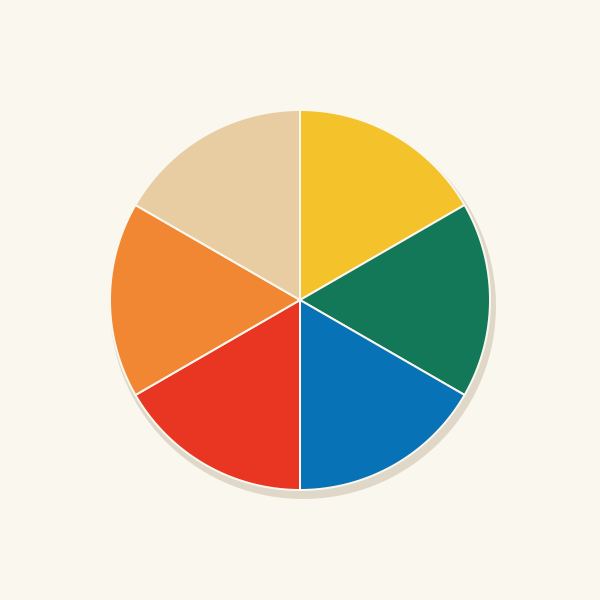
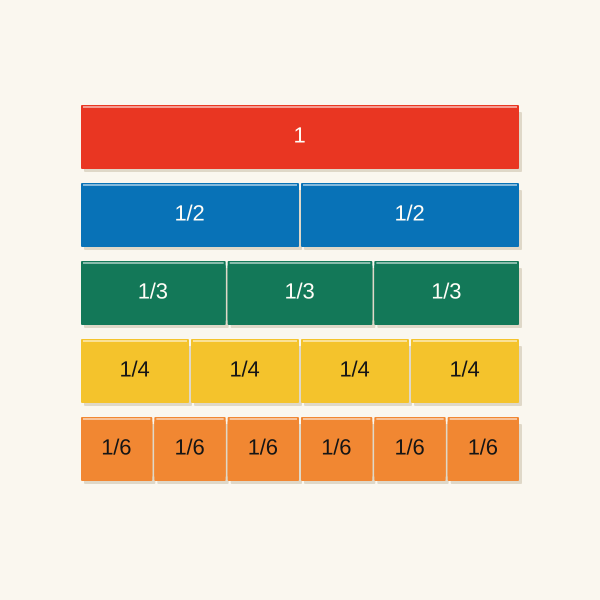
Fraction circles emphasize regions of a whole. Fraction tiles support aligned length comparisons. Number lines place fractions among other numbers, including numbers greater than one.
Try representing one fraction in more than one way. A learner who makes a half with a circle can show the same number with a strip and locate it halfway from zero to one. Ask what remains the same and what changes between those pictures.
Make it concrete.
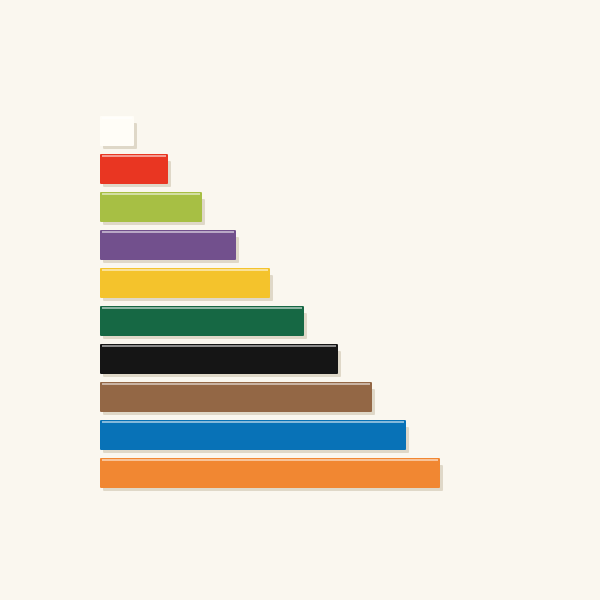
Cuisenaire Rods
Colored rods with lengths in a one-to-ten relationship for comparing numbers, operations, and fractions.
 Explore
Fraction Circles
Equal-sized circles divided into equal parts for comparing fractions of the same whole.
 Explore
Fraction Tiles
Equal-length wholes partitioned into fraction strips for comparing, composing, and ordering fractions.
 Explore
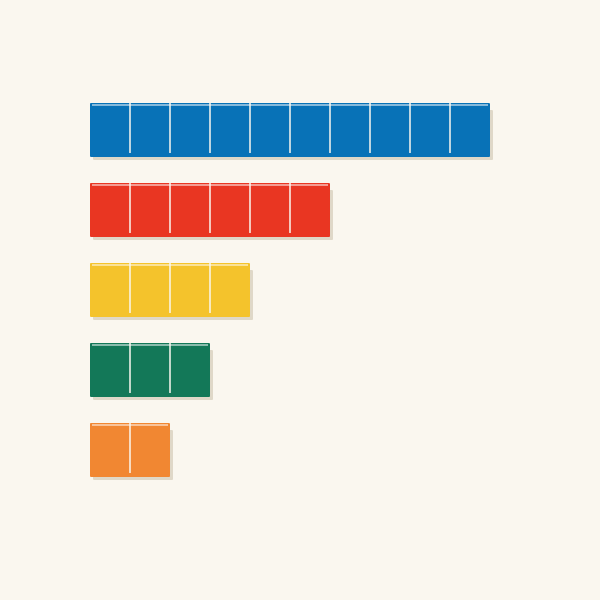
Math Bars
Length-based bars for showing quantities, comparing parts, and drawing attention to numerical relationships.
 Explore
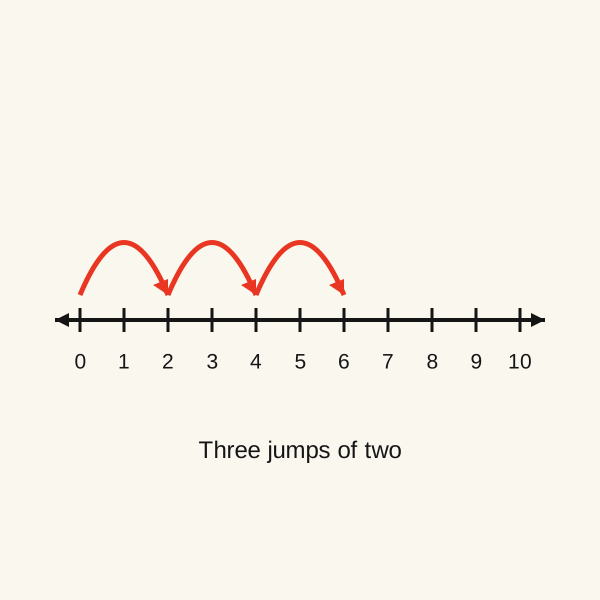
Number Lines
Lines with equal unit spacing for locating numbers, comparing distance, and representing operations.
 Explore
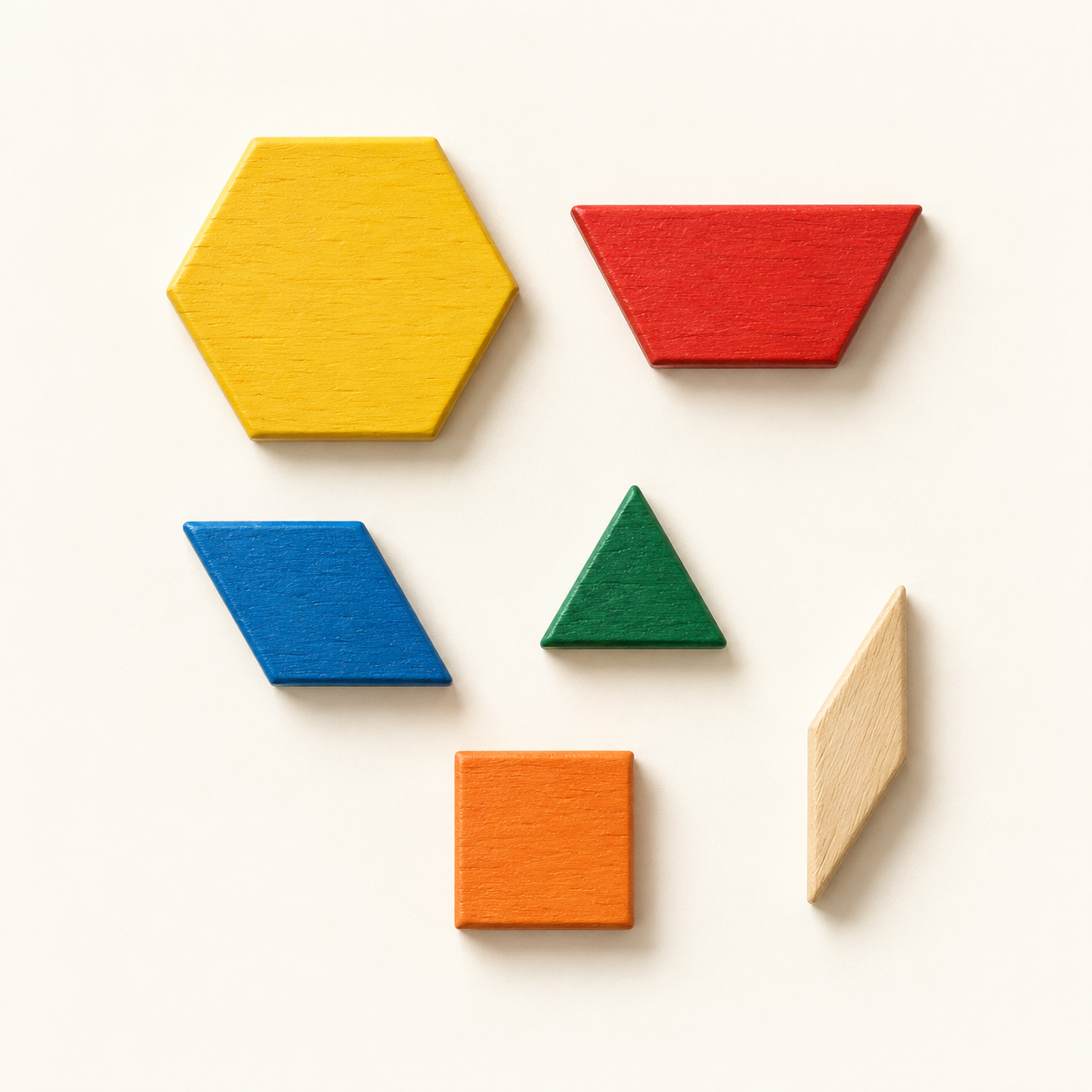
Pattern Blocks
Geometric pieces for building shapes, exploring symmetry, and comparing parts of a whole.
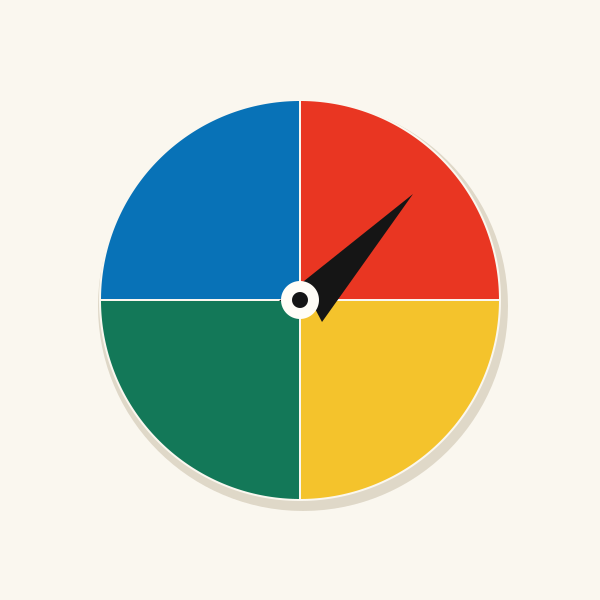
Probability Spinners
Rotating pointers and marked sectors for exploring possible outcomes and recording chance experiments.
 Explore
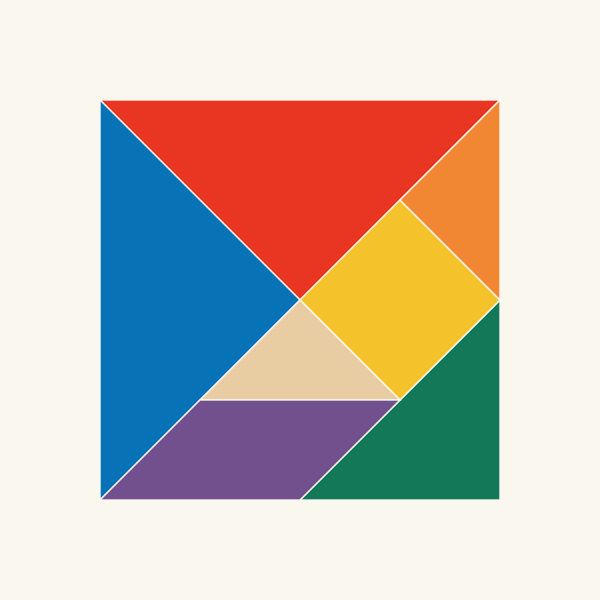
Tangrams
A seven-piece dissection puzzle for composing shapes, comparing area, and reasoning about position.
 Explore