Number Sense.
Explore quantities, compare numbers, and find useful relationships between them.
Number sense begins with asking what a quantity means and how it relates to other quantities. Seven can be five and two, one less than eight, or three less than ten. A material gives those descriptions something visible to refer to.
Start with ten frames or rekenreks when you want to organize a quantity around five and ten. Use a number line to shift the conversation toward order and distance.
Keep asking how a learner saw a number, not only what answer they gave. Two people may recognize the same total using different groups; comparing those explanations is a useful activity in its own right.
Make it concrete.
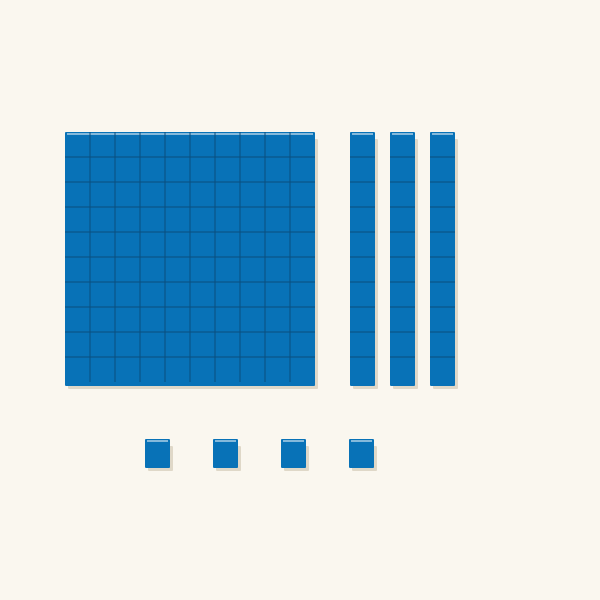
Base-Ten Blocks
Units, rods, flats, and larger blocks that represent the grouping structure of base-ten numbers.
 Explore
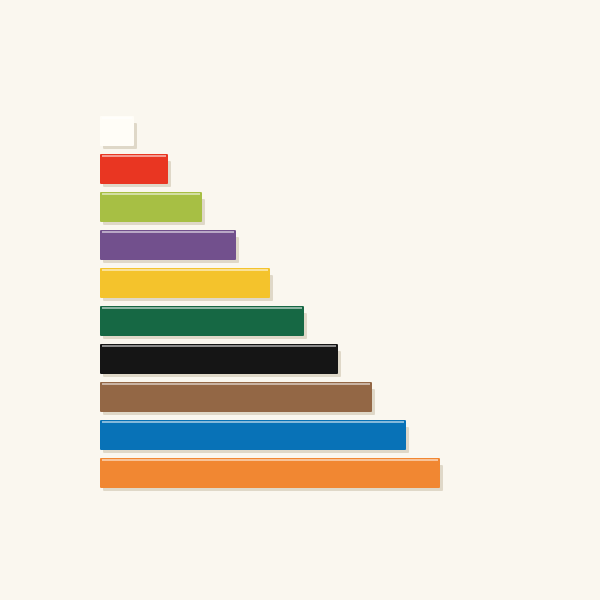
Cuisenaire Rods
Colored rods with lengths in a one-to-ten relationship for comparing numbers, operations, and fractions.
 Explore
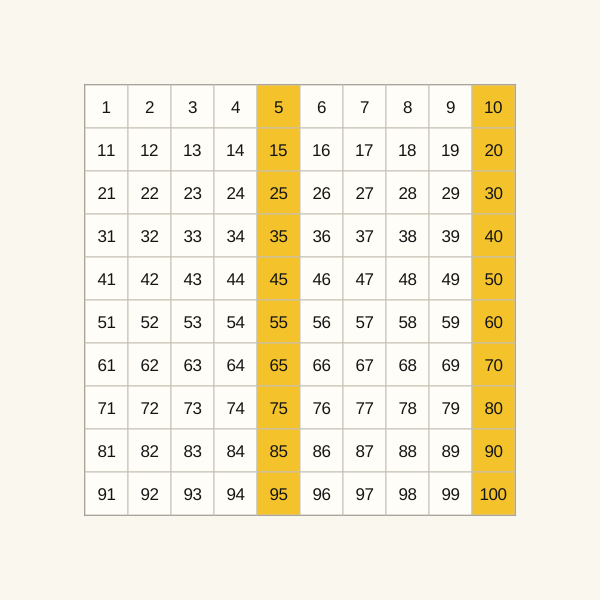
Hundred Charts
Ten-column number grids for exploring counting sequences and relationships between rows and columns.
 Explore
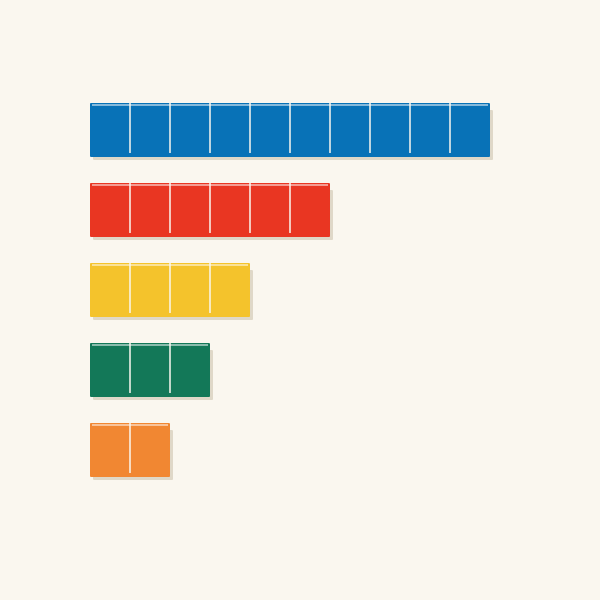
Math Bars
Length-based bars for showing quantities, comparing parts, and drawing attention to numerical relationships.
 Explore
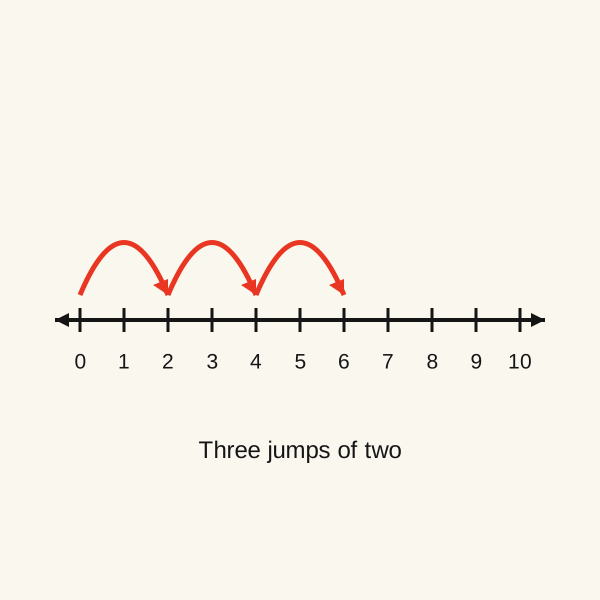
Number Lines
Lines with equal unit spacing for locating numbers, comparing distance, and representing operations.
 Explore
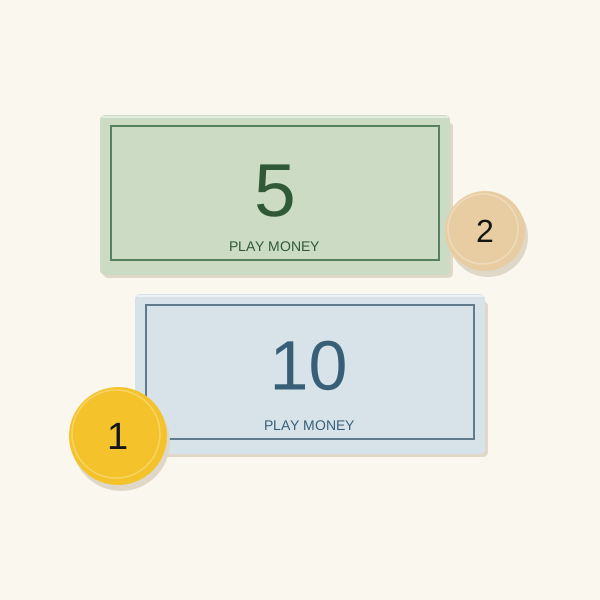
Play Money
Replica coins and notes for comparing values, making totals, and finding equivalent combinations.
 Explore
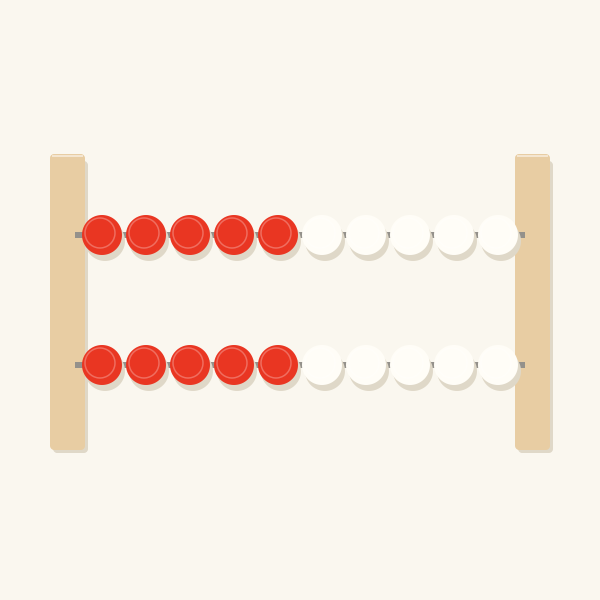
Rekenreks
Bead racks arranged in groups of five and ten for showing numbers and comparing addition strategies.
 Explore
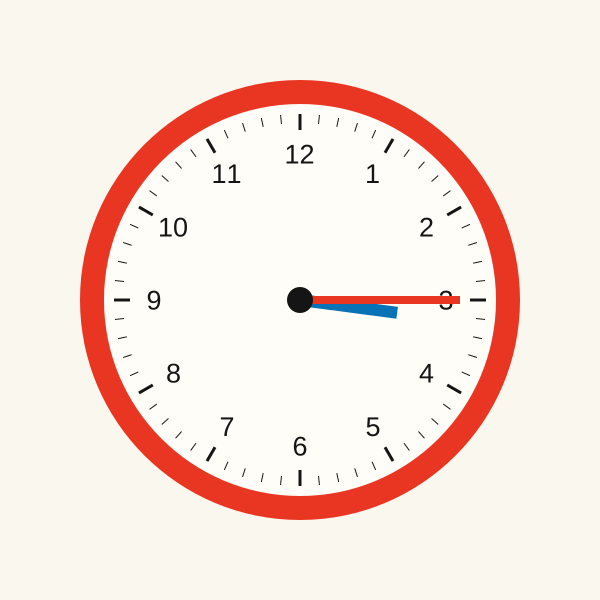
Teaching Clocks
Moveable clock faces for connecting hand positions, elapsed time, and everyday schedules.
 Explore
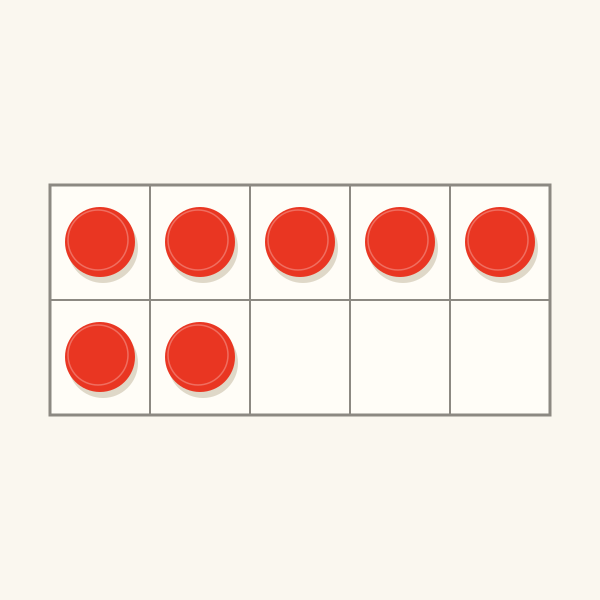
Ten Frames
Two rows of five spaces that organize counters around the benchmarks five and ten.
 Explore
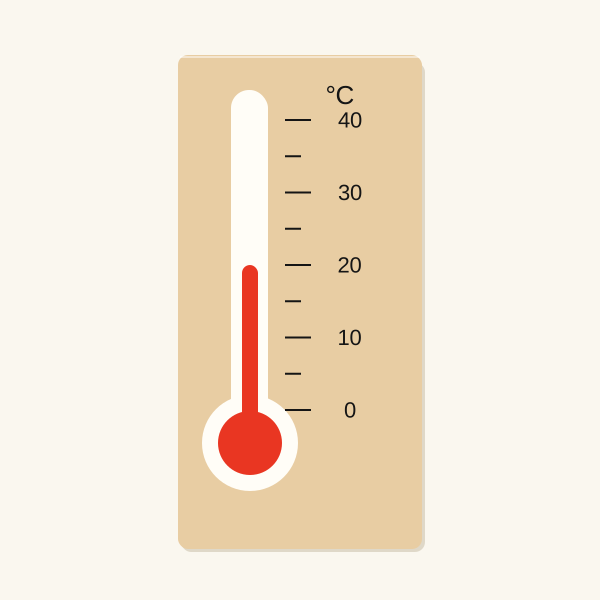
Thermometers
Temperature scales, including classroom models, for reading intervals and comparing changes.
 Explore
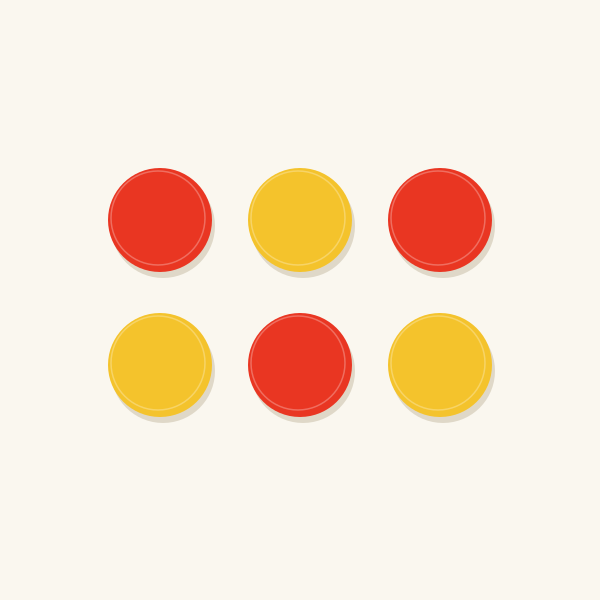
Two-Color Counters
Small disks with contrasting sides for sorting, counting, and representing two parts of a quantity.
 Explore