Measurement.
Choose units, read scales, and distinguish what is being measured.
Measurement asks how much of a chosen unit fits a quantity. The unit might be a cube length, a minute, or a temperature interval. Before calculating, name the attribute and agree on the unit.
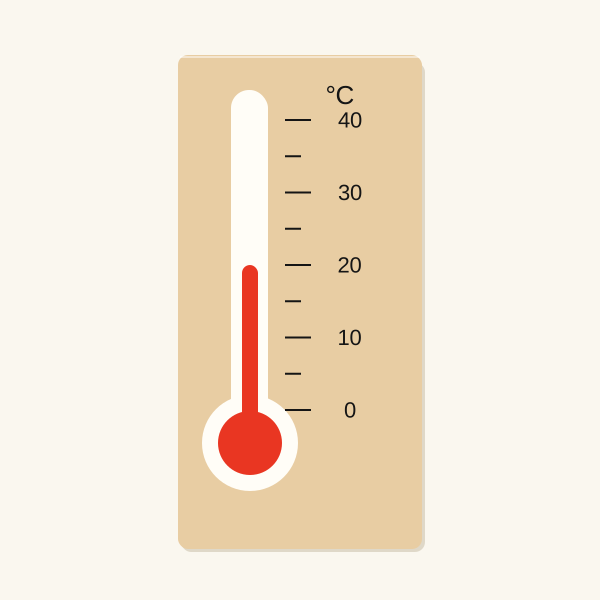
Use linking cubes to compare lengths with repeated equal units. A teaching clock makes time intervals visible, while a thermometer model offers practice reading a scale that may cross zero.
Check whether a task asks for a position on a scale or a change between positions. A temperature of five degrees and a rise of five degrees are different statements. Likewise, distinguish a shape’s boundary length from the area it encloses.
Make it concrete.
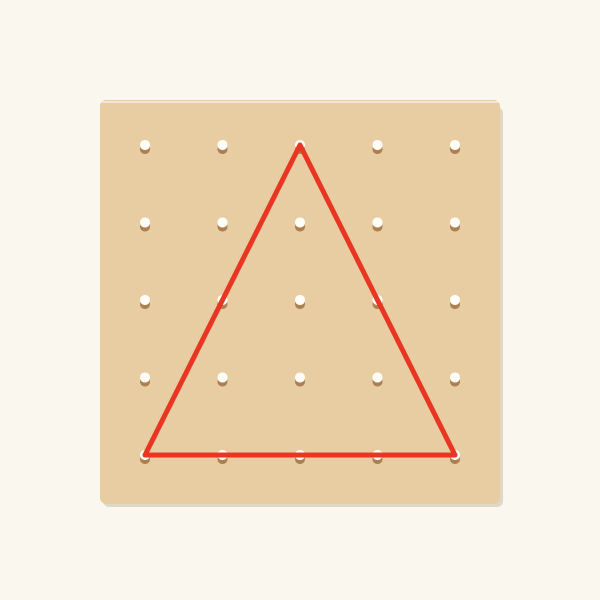
Geoboards
Peg boards and bands for making polygons and exploring their sides, area, and perimeter.
 Explore
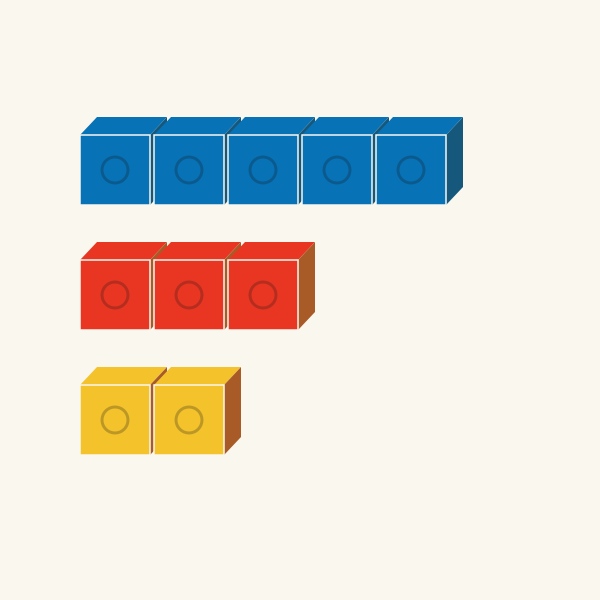
Linking Cubes
Equal-sized cubes that connect into trains, groups, arrays, and three-dimensional builds.
 Explore
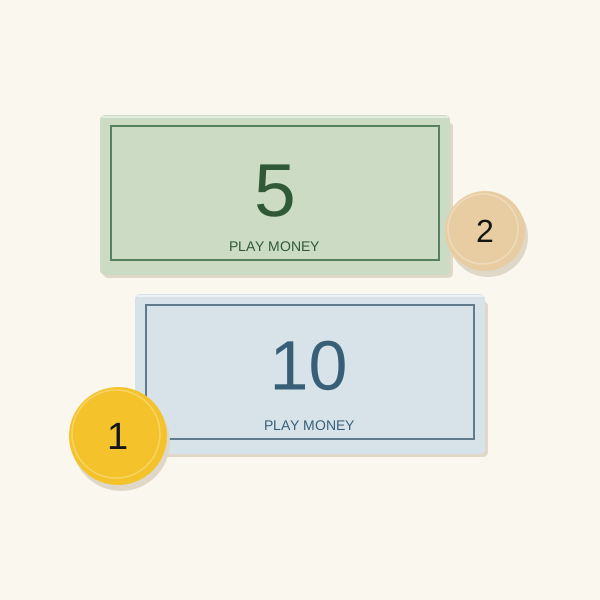
Play Money
Replica coins and notes for comparing values, making totals, and finding equivalent combinations.
 Explore
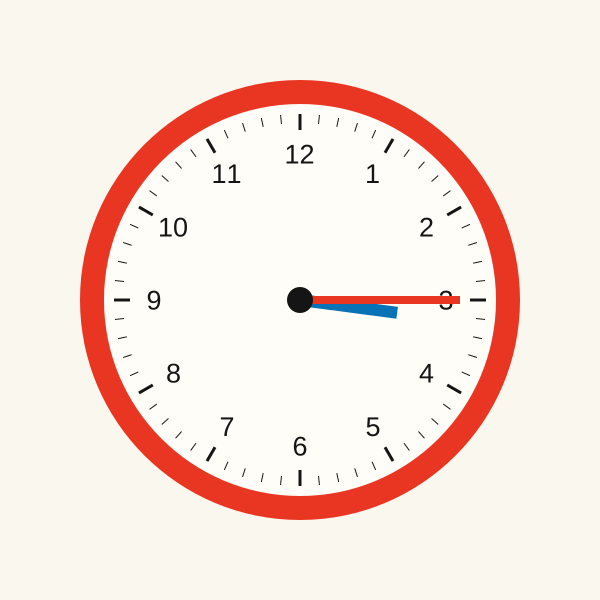
Teaching Clocks
Moveable clock faces for connecting hand positions, elapsed time, and everyday schedules.
 Explore
Thermometers
Temperature scales, including classroom models, for reading intervals and comparing changes.
 Explore
Ideas to explore.
Start with the tool guides above for practical activities.