Number
Lines
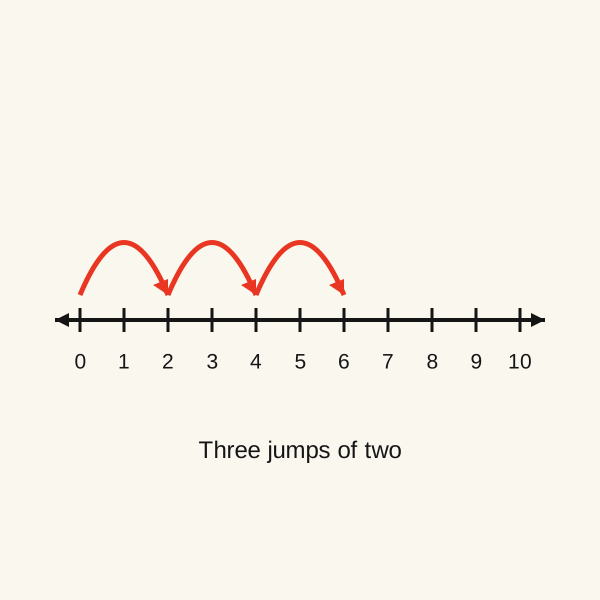
Lines with equal unit spacing for locating numbers, comparing distance, and representing operations.
What
they teach.
Simple materials.
Powerful mathematical ideas.
Order and distance
Locate values relative to zero and compare how far apart they are.
Operations as movement
Represent addition or subtraction with labeled jumps.
Fractions and decimals
Divide a unit interval into equal lengths to locate nonwhole numbers.
How to use them.
Start with curiosity. Make room for discovery.
Establish the scale
Find two labeled marks and work out what one interval represents.
Locate a value
Count intervals from a known number, placing the value at a point rather than in a gap.
Explain a journey
Draw a jump between two points and name the start, change, and finish.
Try an activity
Two routes to thirty-seven
Start at 18 and add 19. Show one route as +10, then +9. Show another as +20, then −1. Explain why both routes end at 37.
A unit is a distance
The distance from zero to one is one unit, regardless of how many extra tick marks appear between them. To place quarters, split that unit into four equal intervals. The point at the end of the third interval is three quarters.
Count jumps or intervals, not the starting mark. Moving four units from three means landing on seven. Touching the marks three, four, five, and six counts four marks but only travels three units.
An open number line can show a calculation without having every unit printed. Its labeled jumps must still have clear numerical meanings. If a sketch is not drawn to scale, say so; do not use its visual distances as evidence for which fraction or difference is larger.
Choose your toolkit.
Find a format that fits your setting.
Choose a scale and number range suited to the task. Blank or partly labeled lines allow flexible units; fixed printed lines offer a clear starting reference. The selected number paths count up to 20; use a drawn or extended line for the activity ending at 37 and for fraction investigations.
Physical options link to Amazon. Illustrations show the material, not the exact product.
Physical option · number paths with sliders
hand2mind Number Path Rekenrek (set of 6)
Six number paths with click-in-place sliders count up to 20. Red and white groups of five support early counting and operations; an activity guide is included.
View on Amazon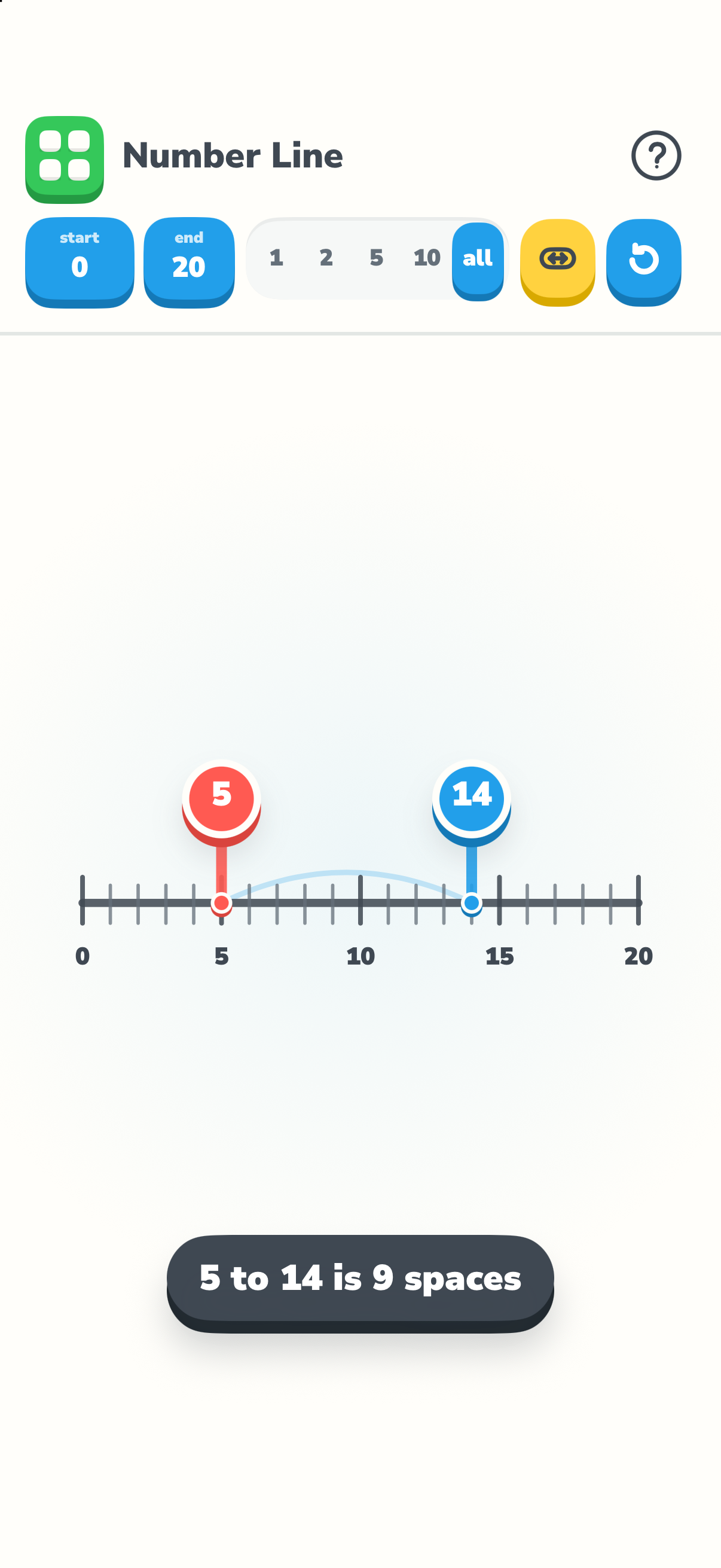
Digital alternative
Manipulatives app
Use the line to discuss position, order, and distance. Name the unit before comparing jumps. A line drawn on paper is useful when you want to add your own labels or explanations.
Explore the appSee our editorial and buying policy. Reviewed .
Related tools.
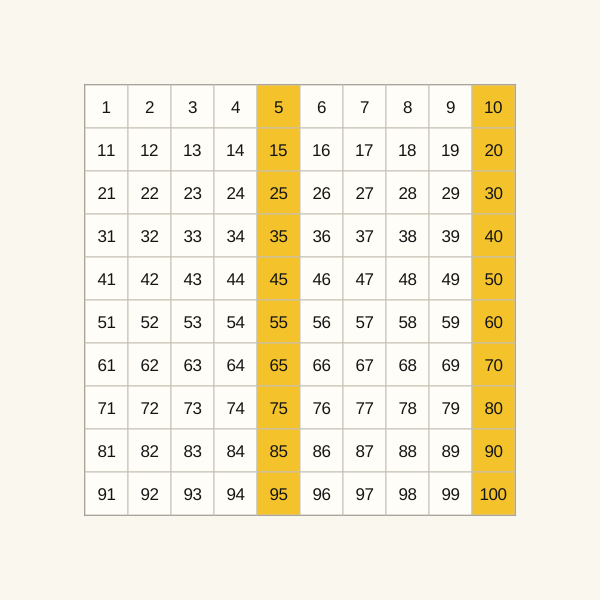
Explore the library →Hundred Charts
Ten-column number grids for exploring counting sequences and relationships between rows and columns.
 Explore
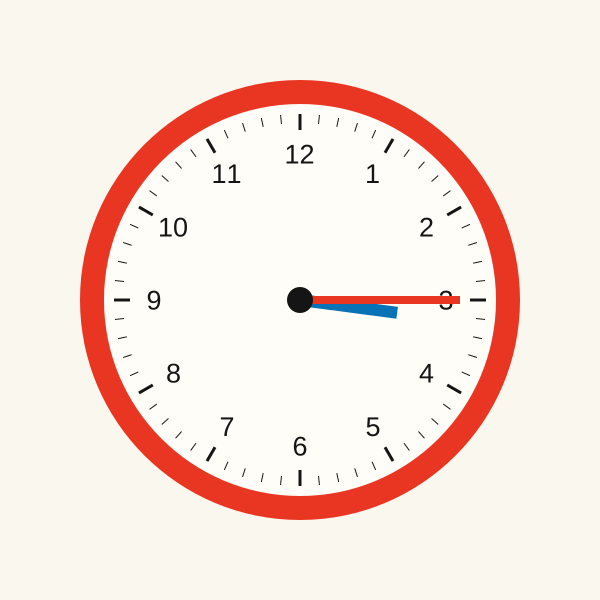
Teaching Clocks
Moveable clock faces for connecting hand positions, elapsed time, and everyday schedules.
 Explore
Fraction Tiles
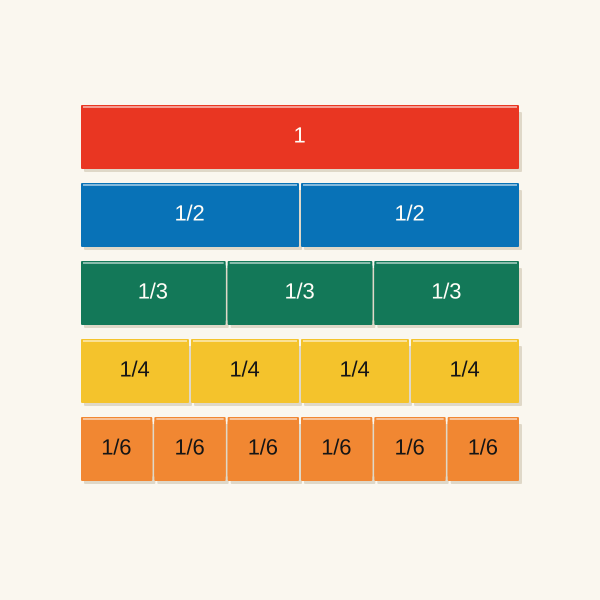
Equal-length wholes partitioned into fraction strips for comparing, composing, and ordering fractions.
 Explore